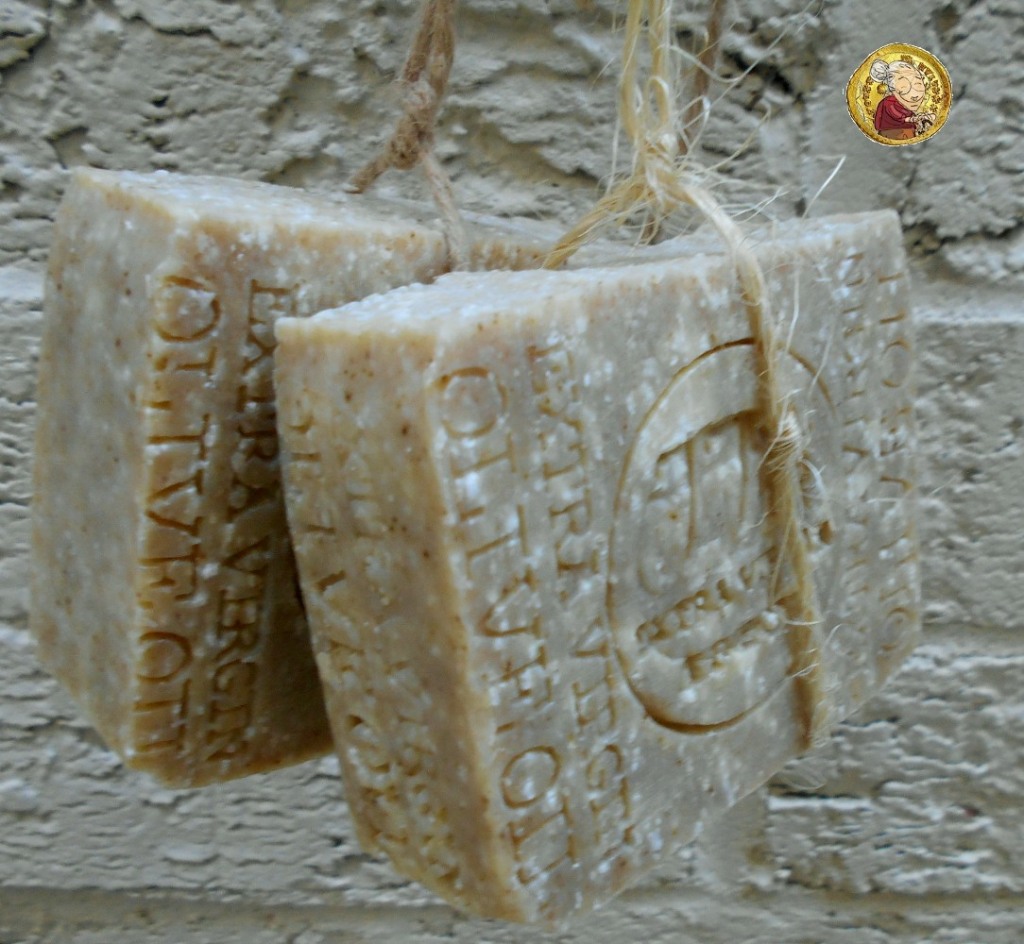
6. Natural Beauty Skin Tone Pictures of Greek Extra Virgin Organic Olive Oil Soap – Rosehip with Extra Virgin Olive Oil and Dead Sea Mud and Sea salt – Anise Mud Soap .

Recommended Skin Type: All skin types, specifically oily and combination skin
Used For: An even, flawless complexion, cleansing away dirt and oil
For Use On: Face or body For the most effective results using this acne breakout treatment for reducing acne and pimples, use twice daily; once in the morning and once at night.
Product Form: NATURAL HANDCRAFTED SOAP COMPANY
The skin tone of over 50 individuals of different backgrounds and ethnicities preference in Milk Soaps .

Goats Milk Soap with Golden Honey Blossom For Everyday Use.
Goat’s Milk and Organic Coconut Milk Soap Handmade
(4) Milk Bar Gift Set Natural Artisan Soap
Goat’s Milk and Buttermilk -Limited Edition
Buttermilk Soap Honey and Mango Butter Soap -All Natural Handmade Soap
Sensitive Skin: People with sensitive skin have trouble with irritation from many products. Often, the irritation arises from fragrance or harsh detergents in the commercial soap. A favorite recommendation from dermatologists everywhere is Natural Soap for Sensitive Skin. Like Castile and Olive Oil Soaps . It is unscented and has mild cleansing ingredients that gently clean the skin without excessive irritation. It’s always a good idea to follow

Normal Skin Type
Acne-prone Skin: For people dealing with blemishes, a good cleanser is an important part of an anti-acne skin care routine. My recommendation . Peppermint , Dead Sea Mud and Volcanic Ash.

Artisan Volcanic Ash Natural 7+ oz Bar Soap with Cocoa ..
Handmade Soap Volcanic Ash and Patchouli
Handmade Soap Volcanic Ash Patchouli and Cocoa Butter …
Combination Skin Type
A combination skin type can be dry or normal in some areas and oily in others, such as the T-zone (nose, forehead, and chin). Many people have combination skin, which may benefit from slightly different types of skin care in different areas

Google Handmade Soap Natural Almond Hazel Nut Bar
Oily Skin Type
Oily skin can produce:
- Enlarged pores
- Dull or shiny, thick complexion
- Blackheads, pimples, or other blemishes
Sensitive Skin Type
If your skin is sensitive, try to find out what your triggers are so you can avoid them. You may have sensitive skin for a variety of reasons, but often it’s in response to particular skin care products .

Natural Oatmeal Soap with Brazilian (Mango Butter) Bar
Dry Skin Type
Dry skin can produce:
- Almost invisible pores
- Dull, rough complexion
- Red patches
- Less elasticity
- More visible lines
Shop for all skin care tones , handmade soap for all skin care .